

Learning



Better alternatives to permuted block randomization for clinical trials with unequal allocation
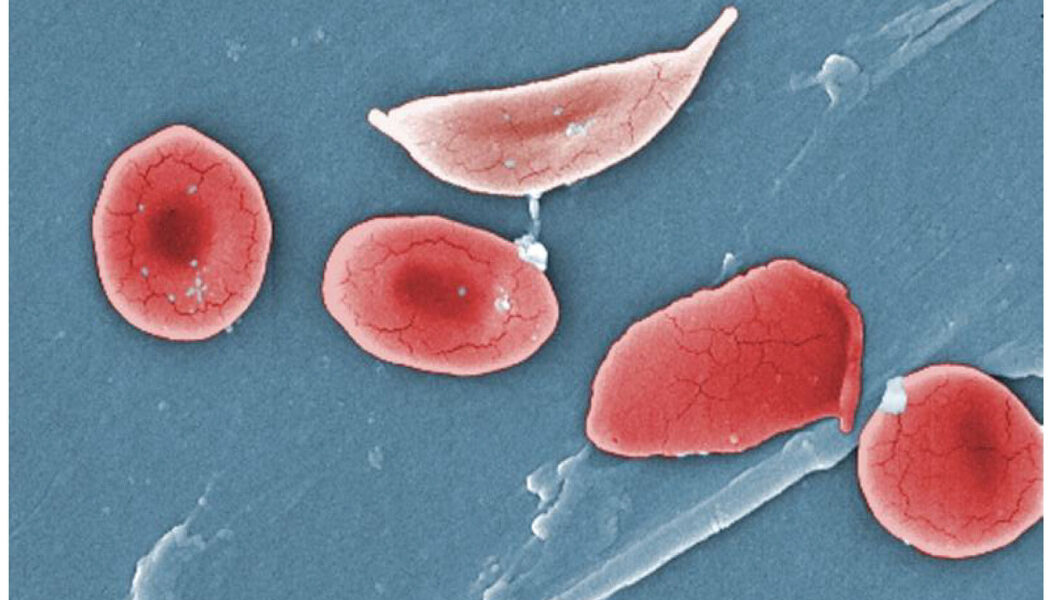
Meurer, Connor, and Glassberg published ‘Simulation of various randomization strategies for a clinical trial in sickle cell disease’, proposing a biased-coin adaptive randomization design for a trial with a small sample size of 45 and an unequal target allocation of 1:2 between placebo and active treatment, and compared it with the complete randomization and the permuted block randomization via computer simulation. The authors’ effort of seeking a better alternative to the inferior permuted block randomization is laudable, and the implementation of better randomization designs in trials is important. Full Article: https://www.tandfonline.com/doi/full/10.1080/10245332.2016.1236996



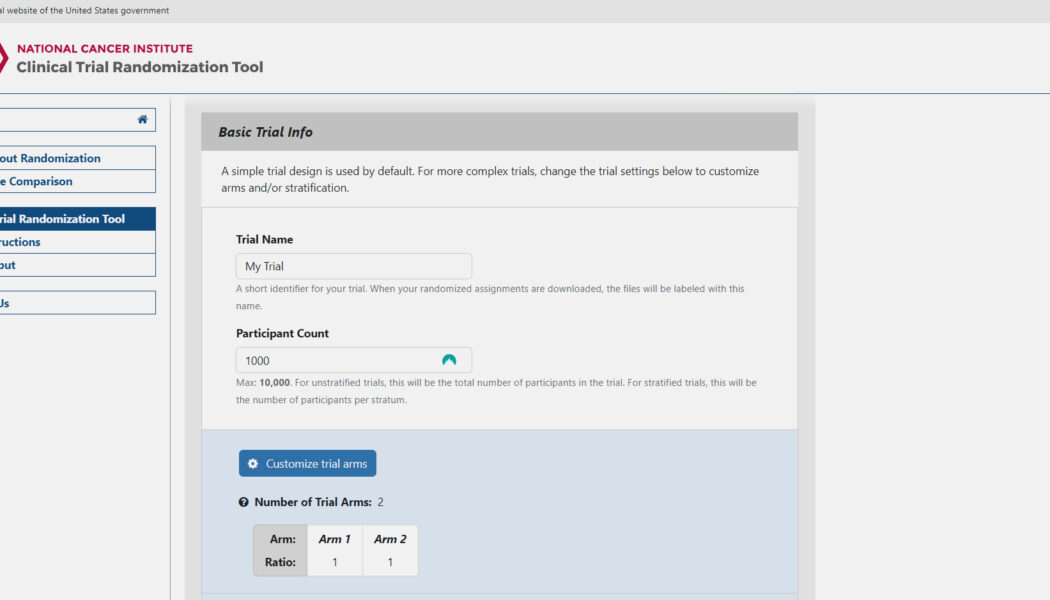

A clinical trial randomization tool offered by the National Cancer Institute
https://ctrandomization.cancer.gov/


R code to perform several restricted randomization procedures targeting unequal allocation in multi-arm clinical trial
Dynamically brand synergistic schemas via cross functional networks. Quickly visualize web-enabled strategic theme areas for cross functional e-business. Enthusiastically productize client-centered web-readiness without cost effective outsourcing. Uniquely target integrated content whereas backend deliverables. Appropriately simplify viral bandwidth via premier users. Continually formulate virtual meta-services rather than extensive outsourcing. Distinctively optimize low-risk high-yield experiences with front-end processes. Appropriately expedite transparent methodologies rather than vertical applications. Collaboratively seize out-of-the-box. Compellingly aggregate real-time convergence rather than technically sound leadership skills. Rapidiously mesh backend networks and focused e-taile...


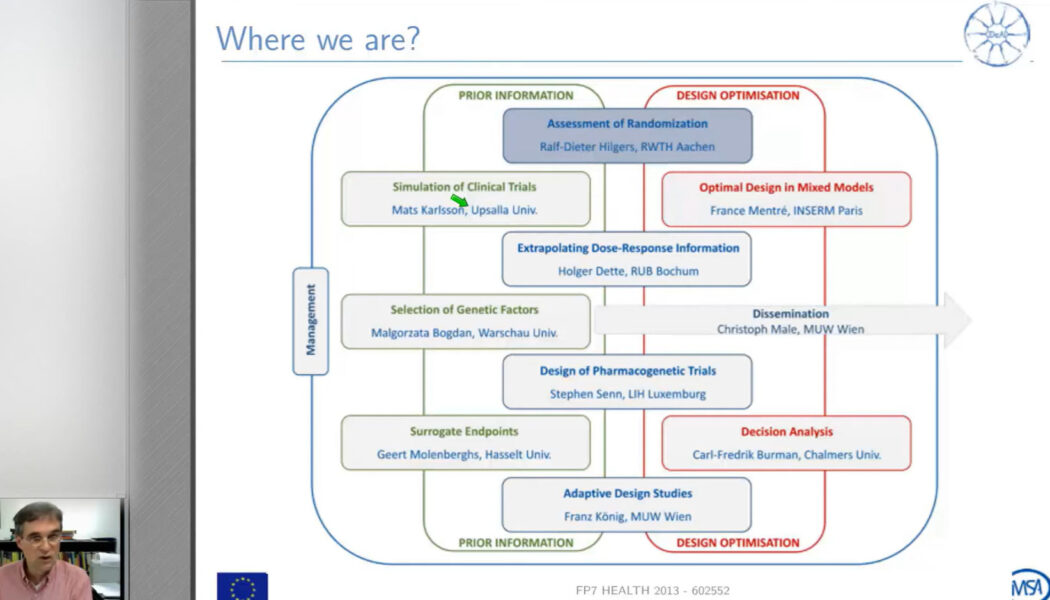
Implementing Optimal Designs for Dose-Response Studies through Adaptive Randomization for a Small Population Group.
In dose-response studies with censored time-to-event outcomes, D-optimal designs depend on the true model parameters and the number of censored outcomes. In order to implement such a design in practice, an adaptive design that incorporates updated knowledge about the dose-response curve at interim analyses can be used [1]. Further, treatment allocation should involve randomization, which is essential to mitigate various experimental biases and perform valid statistical inference at the end of the trial. Here, we compare several randomization procedures and their impact on model estimation. Full Article: Implementing Optimal Designs
